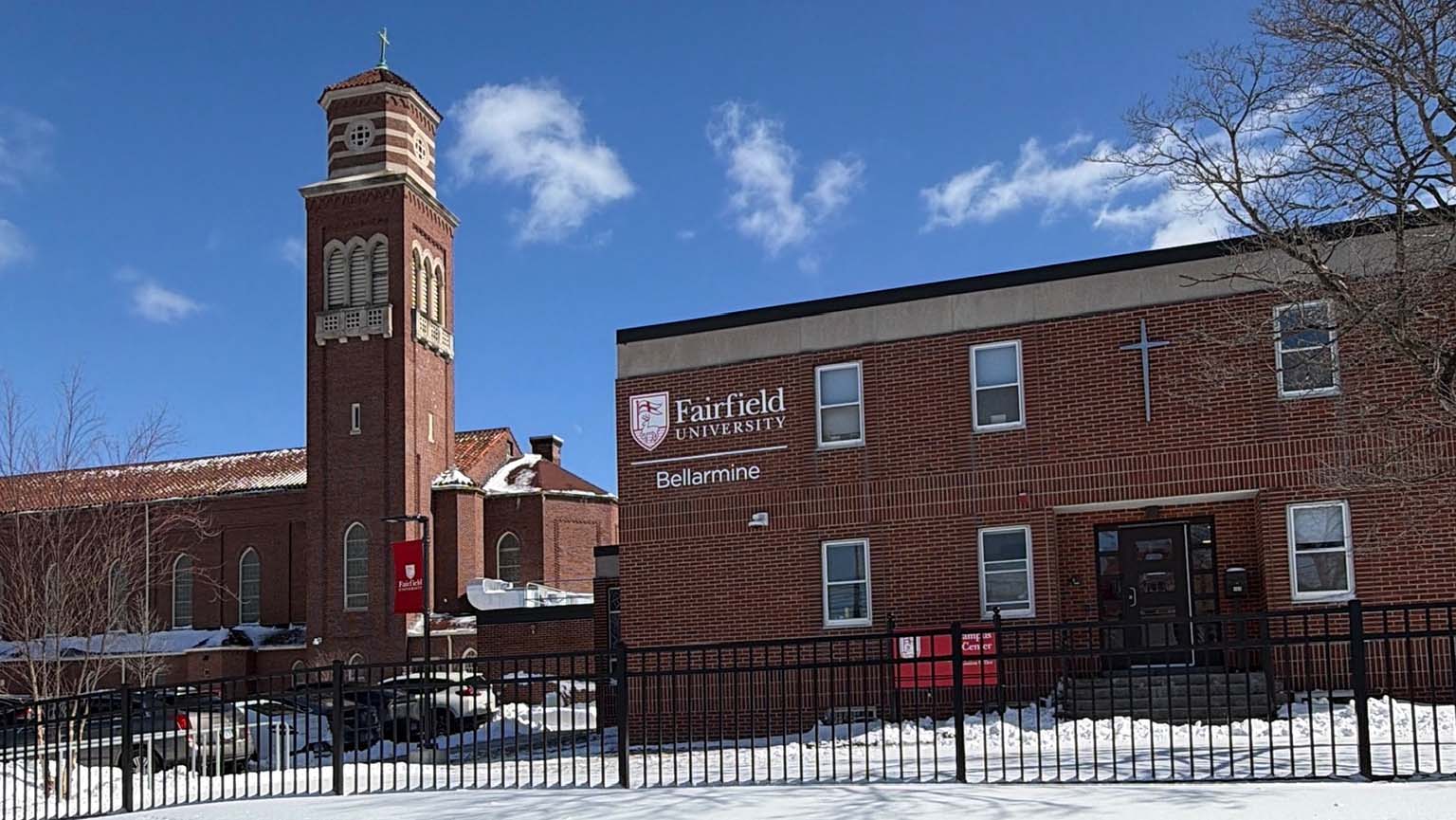
The new Beta Omega chapter will give Fairfield Bellarmine Students access to Phi Theta Kappa scholarships, mentorship, and international academic resources.
Students enrolled in Fairfield’s two-year associate’s degree program who demonstrate the highest levels of achievement will soon have the opportunity to join one of academia’s most prestigious honor societies. Fairfield Bellarmine has established the Beta Omega chapter of the Phi Theta Kappa honor society (PTK), bringing the nationally recognized academic society to Bellarmine Campus.
The launch of this chapter will connect Bellarmine students to an even broader network of peer scholars, mentors, scholarships, and professional resources. Its establishment also reflects the strong academic success of its students and the continued growth of the Fairfield Bellarmine program as resources and initiatives expand.
Phi Theta Kappa
Founded in 1918 at Stephens College in Columbia, Mo., PTK is widely recognized as the official honor society of two-year colleges. With chapters at institutions across the United States and internationally, PTK recognizes high-achieving students and provides resources for leadership development, career preparation, and personal growth.
Membership is by invitation only and requires meeting and maintaining a minimum grade point average.
Fairfield Bellarmine’s Beta Omega Chapter
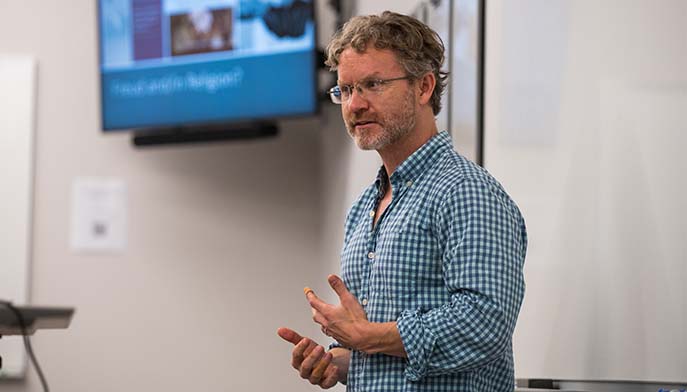
Through the Beta Omega chapter, Bellarmine students will gain access to PTK’s international community while continuing to build connection and support within their own chapter. Ryan Harper, PhD, an associate professor of the practice who teaches religious studies at Fairfield Bellarmine, will serve as a chapter co-advisor.
Dr. Harper sees the establishment of PTK at Bellarmine as a testament to the dedication and resilience of its students. “They are the most engaged classroom citizens that I have experienced in my teaching career,” he said. “Many of them are doing this while carrying significant workloads at home and in their jobs. The Bellarmine chapter of Phi Theta Kappa recognizes these students' gifts—it gives them a sense of belonging to a broad community of elite scholars and a way to fortify their own localized version of that community."