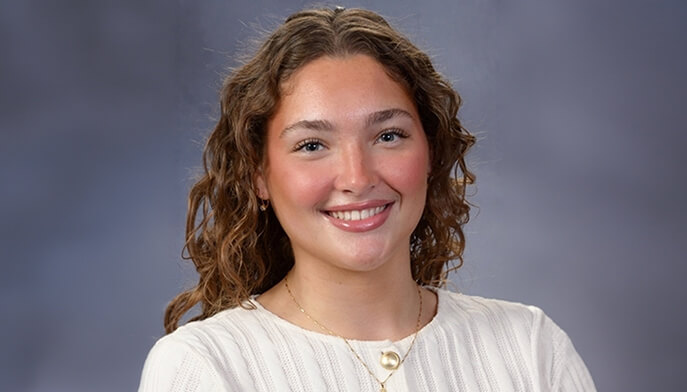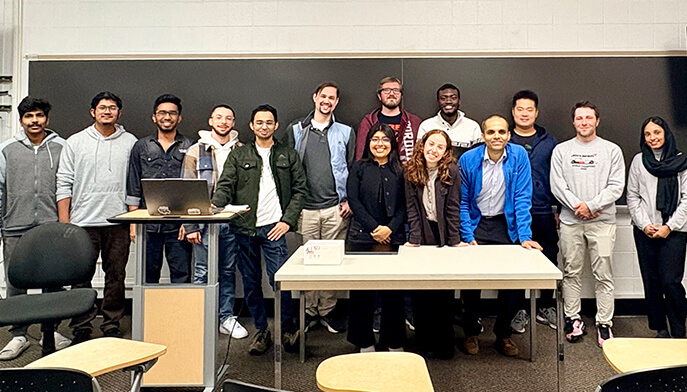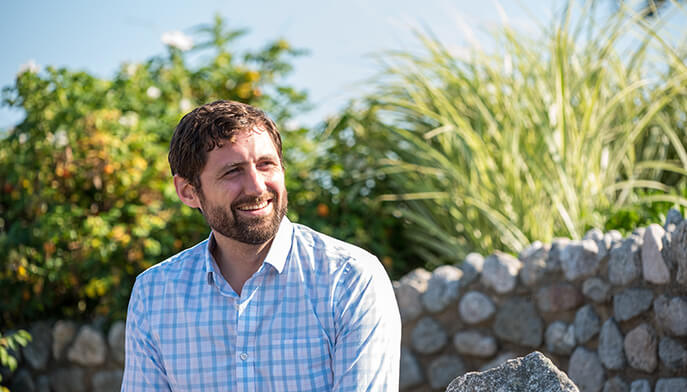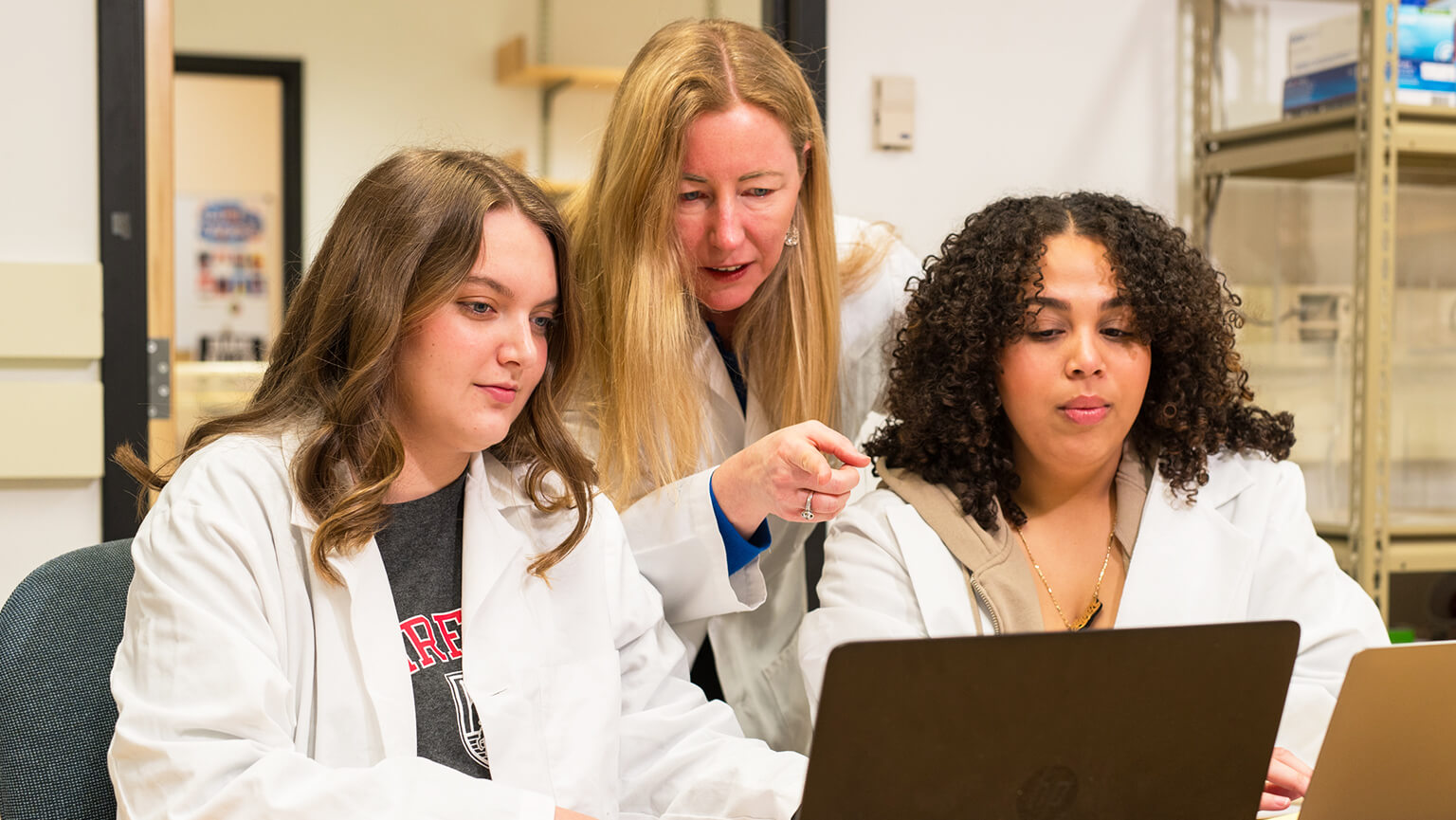
Fairfield University faculty members Michelle Farrell, PhD, and Shannon Harding, PhD, as well as undergraduate Caroline Cossman ’26 and graduate student Eva Criscuolo have been awarded Fulbright honors for the 2026–27 academic year.

The Fulbright Program is a year-long scholarship that supports post-graduate study, research, work, or teaching abroad. Through the program, the Fairfield Fulbrights will travel to work in Spain, Ireland, Serbia, and Cyprus.
Dr. Farrell is a professor of Spanish in the John Charles Meditz College of Arts and Sciences, where she teaches Latin American cinemas, literatures, and both Spanish and Portuguese languages. As a Fulbright fellow, she will guest lecture at Universidad Carlos III de Madrid, and advance her research project, “Making Home in Madrid: Cuban Filmmakers in Diaspora and Videographic Pedagogies,” which examines the movement of people and film across borders and languages, exploring how these shifts shape both creative production and classroom learning.

“This is a truly unique opportunity for me to combine research and teaching while expanding my international community of colleagues and students,” said Dr. Farrell. “There are few fellowships such as Fulbright where global exchange of expertise and knowledge take center stage. I am honored to be chosen for this fellowship.”
While in Spain, Dr. Farrell will partner with UC3M’s Tecmerín research group, an internationally recognized collective studying media, memory, and representation. She will contribute to the group’s bilingual journal while guest lecturing on bilingual video essay pedagogies.
Dr. Harding’s appointment to Galway, Ireland will build on a 12-year partnership that includes sharing behavioral functions and tissue collected in her Fairfield laboratory with partners abroad. The Fairfield Meditz professor of Psychological & Brain Sciences will partner with the University of Galway to enrich graduate student education as part of a neuropharmacology course and continue research to advance the understanding of changes in the brain that happen with adolescent social isolation.