Photographer Stephen Wilkes Closes 2025-26 Eliasoph OVF: Espresso Series

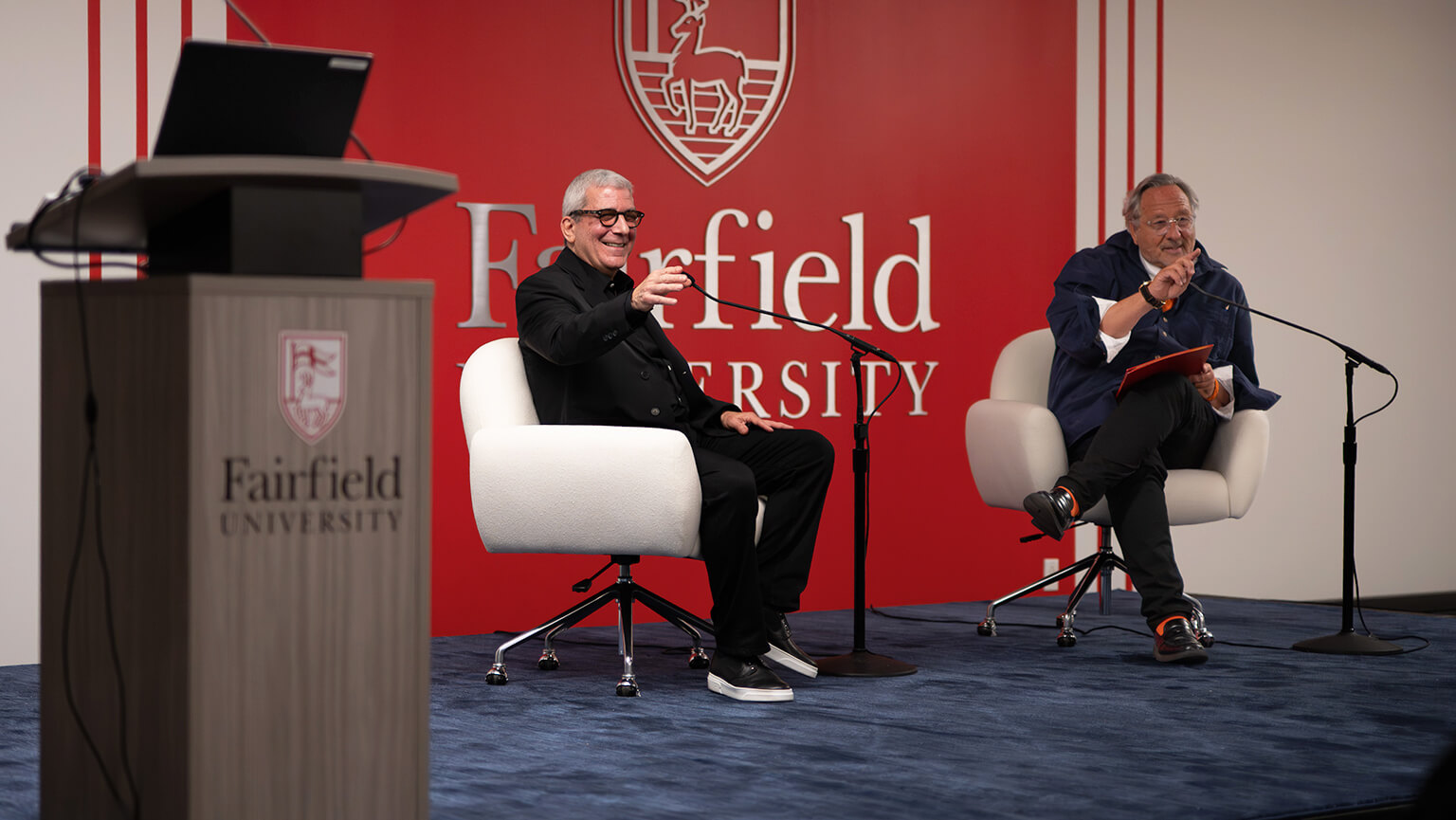
Stephen Wilkes and Philip I. Eliasoph sit on stage at Fairfield University, smiling and engaging with the audience. One holds a microphone. The atmosphere is lively and conversational.
Stephen Wilkes fields questions from the audience, alongside Open VISIONS Forum series namesake, Philip I. Eliasoph, PhD.
By Kiersten Bjork ’21

The 2025-26 season of the Philip I. Eliasoph Open VISIONS Forum has featured thought leaders across disciplines, including photographer and National Geographic Explorer Stephen Wilkes, who concluded this year’s OVF: Espresso series on March 31 with an inspiring talk about the art of photography and the splendor of our world.

An Iconic Body of Work

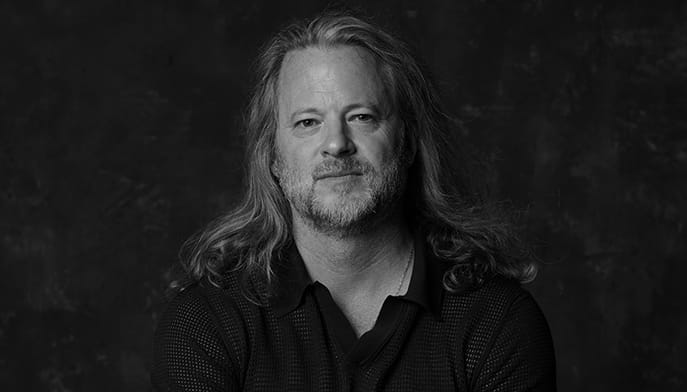
Stephen Wilkes is known for his iconic images of some of America’s most beloved locales, as well as a robust body of commercial work—including for the Netflix hit Stranger Things.

His most defining photographic series, Day to Night, captures cityscapes and landscapes from a fixed vantage point over dozens of hours, blending thousands of images into a single frame packed with hand-selected moments that Wilkes chooses for the final shot.

The subjects of the Day to Night series—featured on CBS Sunday Morning and other major media— range from U.S. national parks and sand hill crane migration in Nebraska, to New York City’s Times Square, Chicago’s Wrigley Field, President Obama’s inauguration, and a total solar eclipse.

“The concept of putting a face on time was different than I had ever imagined,” Wilkes said, reflecting on his journey with Day to Night. “Why can’t a photograph be many moments, brought together in a single way? I see time as a fabric, and I take it and flatten it into a 2D image.”
Art and Environmentalism

A large focal point of Wilkes’ career has been to document our environment, particularly bringing to light the hazards of climate change. From photographing natural disasters like Hurricanes Katrina and Sandy, to pollution at the Deepwater Horizon oil spill and Fresh Kills Landfill in Staten Island, he uses his art to draw attention to these issues.

“Using my ability to tell stories, I wanted to show what was happening with beauty: to make you look at it,” Wilkes said.

As he shared vivid memories of his experiences in the field, Wilkes’ stunning photographs were displayed on a large upstage screen, eliciting appreciative and amazed responses from attendees.

The Art of Photography

Following his talk, Wilkes fielded audience questions, diving into his creative process and his views on technological advances in the field of photography and beyond.

He encouraged lecture attendees—made up of photographers, students, community members, and even his own family—to embrace uncertainty: “Being lost is a great way to find something,” and to reframe setbacks: “You don’t fail, it’s about an experience.”

“Photography has given me a unique window into the world,” Wilkes said in closing, “and reminds me of the importance of being engaged and being present, especially today.”

Related Stories

More In